Experiencing Braking Distance Issues? Uncover common causes like worn brake pads or tire problems, and learn effective solutions to shorten your stop. Ensure a safer drive by addressing Braking Distance Issues promptly with our expert insights .
A vehicle’s ability to stop effectively is paramount to road safety. Many drivers, unfortunately, face Braking Distance Issues, which can significantly compromise their safety on the road. When you press the brake pedal, you expect your car to slow down and halt within a predictable distance. However, various factors can extend this braking distance, leading to potentially dangerous Braking Distance Issues. This guide will delve into the complexities of braking distance, helping you identify potential problems and find reliable solutions for these common Braking Distance Issues, emphasizing the importance of regular infobrakeservice.com
1.What is Braking Distance and Why Does It Matter?
Braking distance is the distance your vehicle travels from the moment you fully apply the brakes until it comes to a complete stop. Understanding this is the first step in tackling Braking Distance Issues. It’s a critical component of your total stopping distance, which also includes reaction distance… An increased braking distance, a clear indicator of potential Braking Distance Issues, means it takes longer and further for your car to stop, significantly raising the likelihood of collisions. For more information on general road safety, you can visit reputable sources like the https://www.nhtsa.gov.
An increased braking distance means it takes longer and further for your car to stop, significantly raising the likelihood of collisions, especially in emergency situations. Ensuring your braking distance is as short as possible is a fundamental aspect of safe driving.
2.Key Factors Affecting Your Braking Distance
Several elements can influence how quickly your vehicle can stop. These are often the root causes of Braking Distance Issues and can be broadly categorized…
Worn Out Brake Pads and Shoes
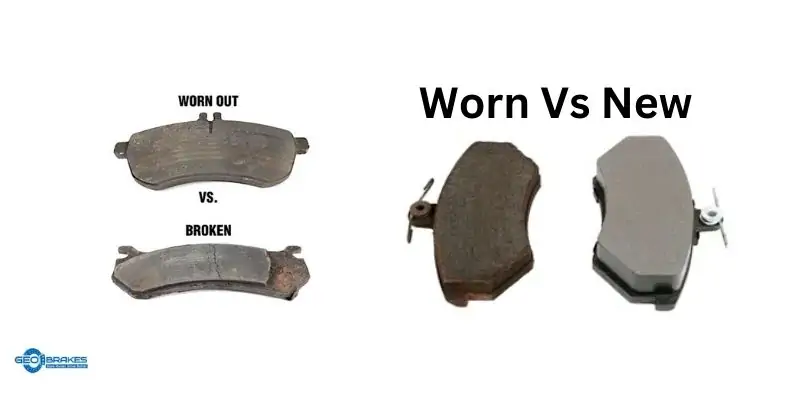
Brake pads (for disc brakes) and shoes (for drum brakes) are the friction materials that press against the rotors or drums to slow the vehicle. Over time, these materials wear down.
- Impact: Thin or worn-out pads/shoes reduce braking efficiency, leading to longer stopping distances. You might also hear squealing or grinding noises.
Brake Fluid Problems: Leaks and Contamination
Brake fluid is a hydraulic fluid that transfers the force from the brake pedal to the brakes.
- Impact: Low brake fluid levels (due to leaks) or contaminated fluid (with water or debris) can compromise the hydraulic pressure, making the brakes feel spongy or less responsive, and increasing stopping distances.
Issues with Brake Rotors or Drums
Brake rotors (discs) and drums are the surfaces against which the pads and shoes apply pressure.
- Impact: Warped, grooved, or excessively worn rotors/drums reduce the contact surface area and effectiveness of the brakes. This can cause vibrations when braking and extend stopping distances.
Failing Brake Calipers or Wheel Cylinders
Calipers (in disc brakes) and wheel cylinders (in drum brakes) house the pistons that push the brake pads or shoes.
- Impact: If these components seize or leak, they may not apply pressure evenly or effectively, leading to reduced braking power and uneven brake wear.
Malfunctioning Brake Booster
The brake booster (or vacuum booster) assists the driver by multiplying the force applied to the brake pedal.
- Impact: A failing brake booster will make the brake pedal much harder to press, significantly increasing the effort needed to brake and potentially lengthening stopping distances. You might hear a hissing sound.
Tire Condition: Tread, Pressure, and Type
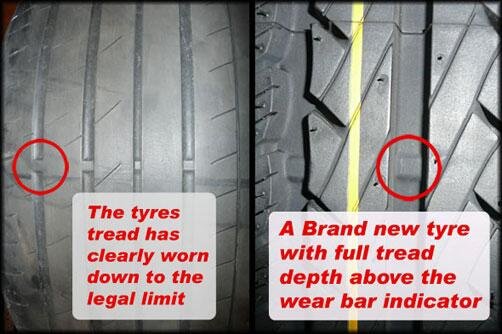
Tires are your vehicle’s only contact with the road.
- Impact:
- Worn Tread: Insufficient tread depth reduces grip, especially in wet or slippery conditions.
- Incorrect Pressure: Over or under-inflated tires affect the tire’s contact patch with the road, diminishing braking performance.
- Tire Type: Using tires unsuitable for the current weather conditions (e.g., summer tires in snow) will dramatically increase braking distances.
Vehicle Weight and Load
The heavier the vehicle, the more kinetic energy it has, and thus, the more force is required to stop it.
- Impact: Overloading your vehicle or towing heavy trailers will increase your braking distance.
Road Surface and Weather Conditions
The condition of the road surface plays a huge role.
- Impact: Wet, icy, gravelly, or oily roads reduce tire grip, leading to significantly longer braking distances. Always increase your following distance in such conditions.
Driving Speed and Reaction Time
Higher speeds exponentially increase braking distance. While reaction time is part of the total stopping distance, being alert affects how quickly you can initiate braking.
- Impact: The faster you’re going, the more distance you’ll cover before you even start to slow down significantly. Distractions and fatigue increase reaction time.
3.Signs That Your Braking Distance May Be Compromised
Be alert to these warning signs:
- The car takes longer to stop than usual.
- The brake pedal feels spongy, soft, or goes too close to the floor.
- The brake pedal is hard to press.
- Squealing, grinding, or screeching noises when braking.
- Vibration or pulsation through the brake pedal or steering wheel when braking.
- The vehicle pulls to one side when braking.
- The brake warning light is illuminated on your dashboard.
4.Troubleshooting: Steps to Identify the Culprit
If you suspect an issue:
- Check Brake Fluid: Inspect the master cylinder reservoir for the fluid level and condition (it should be clear, not dark or murky).
- Inspect Brake Pads/Shoes: If you’re comfortable, visually inspect them for wear. Otherwise, this is a key part of a professional “Brake Service.”
- Examine Tires: Check tread depth (using the penny test or wear indicators) and ensure they are inflated to the manufacturer’s recommended pressure.
- Listen for Noises/Feel for Vibrations: Pay attention to how your brakes sound and feel during operation.
- Professional Inspection: If you’re unsure or notice any of the warning signs, it’s crucial to have your vehicle inspected by a qualified mechanic. A comprehensive “Brake Service” will diagnose the exact cause.
5.Solutions: How to Improve Your Braking Distance
Addressing braking distance issues involves maintenance, timely repairs, and good driving habits.
Regular “Brake Service” and Inspections
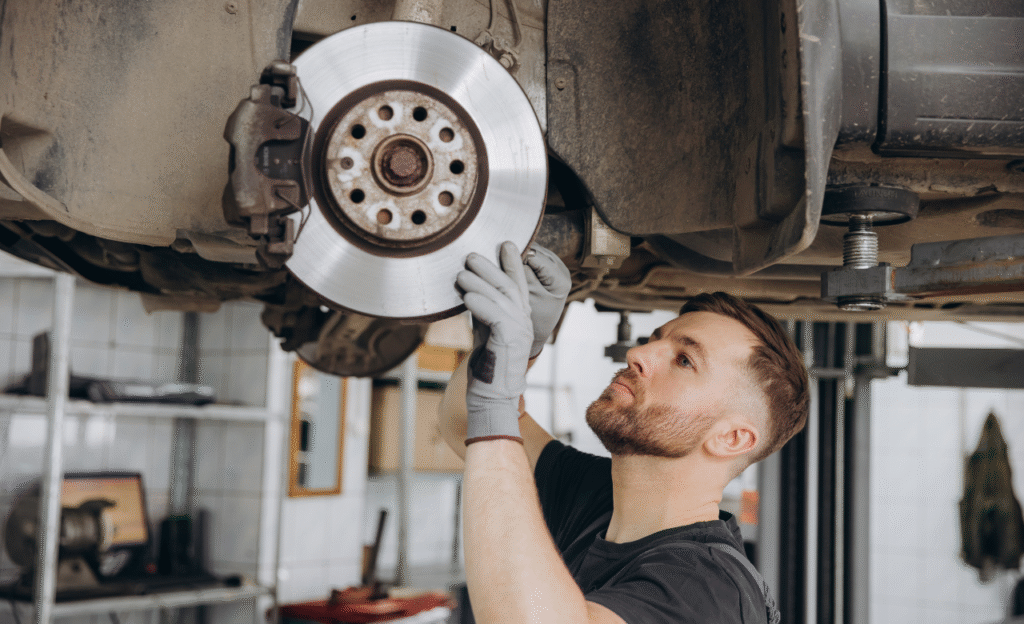
Preventative maintenance is key. Regular “Brake Service” appointments allow technicians to:
- Inspect brake pads, shoes, rotors, drums, calipers, and wheel cylinders.
- Check brake fluid levels and condition.
- Inspect brake lines and hoses for leaks or damage.
- Ensure the brake booster is functioning correctly.
- Identify and address minor issues before they become major, costly problems.
Replacing Worn Brake Components
Don’t delay replacing worn parts. This includes:
- Brake pads/shoes when they reach their minimum thickness.
- Rotors/drums if they are excessively worn, warped, or grooved (sometimes they can be resurfaced).
- Any leaking or malfunctioning hydraulic components (calipers, wheel cylinders, master cylinder).
Maintaining Proper Brake Fluid Levels
- Top up brake fluid if low (and investigate for leaks if it drops frequently).
- Flush and replace brake fluid according to your vehicle manufacturer’s recommendations (typically every 2-3 years) to remove moisture and contaminants.
Choosing the Right Tires and Maintaining Them
- Replace tires when the tread is worn.
- Keep tires properly inflated.
- Use tires appropriate for the season and driving conditions.
- Rotate tires regularly for even wear.
Adjusting Driving Habits
- Maintain a safe following distance, especially in adverse conditions.
- Avoid excessive speeding.
- Be aware of your surroundings and anticipate the need to brake.
- Avoid overloading your vehicle.
6.The Critical Role of Professional “Brake Service”
While some checks can be done at home, the braking system is complex and critical for safety. A professional “Brake Service” from a trusted auto care center like infobrakeservice.com (or a similar call to action for your business) ensures:
- Expert Diagnosis: Technicians have the tools and expertise to accurately identify problems.
- Quality Parts: Reputable shops use high-quality replacement parts that meet or exceed OEM specifications.
- Proper Installation: Correct installation is crucial for brake performance and longevity.
- Comprehensive Checks: A full “Brake Service” covers all aspects of the system, not just one component.
- Peace of Mind: Knowing your brakes are in top condition provides invaluable peace of mind on the road.
7.Conclusion: Prioritize Your Stopping Power
Your vehicle’s braking system is its most important safety feature. Increased braking distance is a serious issue that should never be ignored. By understanding the factors that affect it, recognizing warning signs, and committing to regular maintenance and timely “Brake Service,” you can ensure your vehicle stops safely and reliably every time. Don’t compromise on safety – make your brakes a priority.
How often should I have my brakes checked?
A: It’s generally recommended to have your brakes inspected at least once a year or every 12,000 miles (approx. 20,000 km). However, consult your vehicle’s owner manual and have them checked immediately if you notice any warning signs. Many drivers opt for a brake check with every oil change.
Can cheap brake pads increase my braking distance?
Yes, potentially. Lower quality brake pads may use inferior friction materials that don’t perform as well as higher-quality pads, especially under demanding conditions or over time. This can lead to increased braking distances and faster wear. Investing in quality “Brake Service” often includes better parts.
Does ABS (Anti-lock Braking System) reduce braking distance?
The primary purpose of ABS is to prevent wheel lock-up during hard braking, allowing you to maintain steering control. While it can sometimes help shorten braking distances on some surfaces (especially slippery ones by preventing skids), its main benefit is control, not necessarily always a shorter stop than a skilled driver without ABS on a dry surface. However, for most drivers in most situations, ABS contributes to safer braking.
Why does my car pull to one side when I brake?
This could be due to several reasons, including a stuck caliper, a collapsed brake hose, unevenly worn brake pads, or even an issue with your tires or suspension. It’s a sign that your braking forces are uneven and requires immediate professional attention.
How much does a typical “Brake Service” cost?
The cost of a “Brake Service” can vary widely depending on your vehicle type, the extent of the service needed (e.g., just pad replacement vs. pads, rotors, and fluid flush), and your location. It’s best to get a quote from a reputable service center.